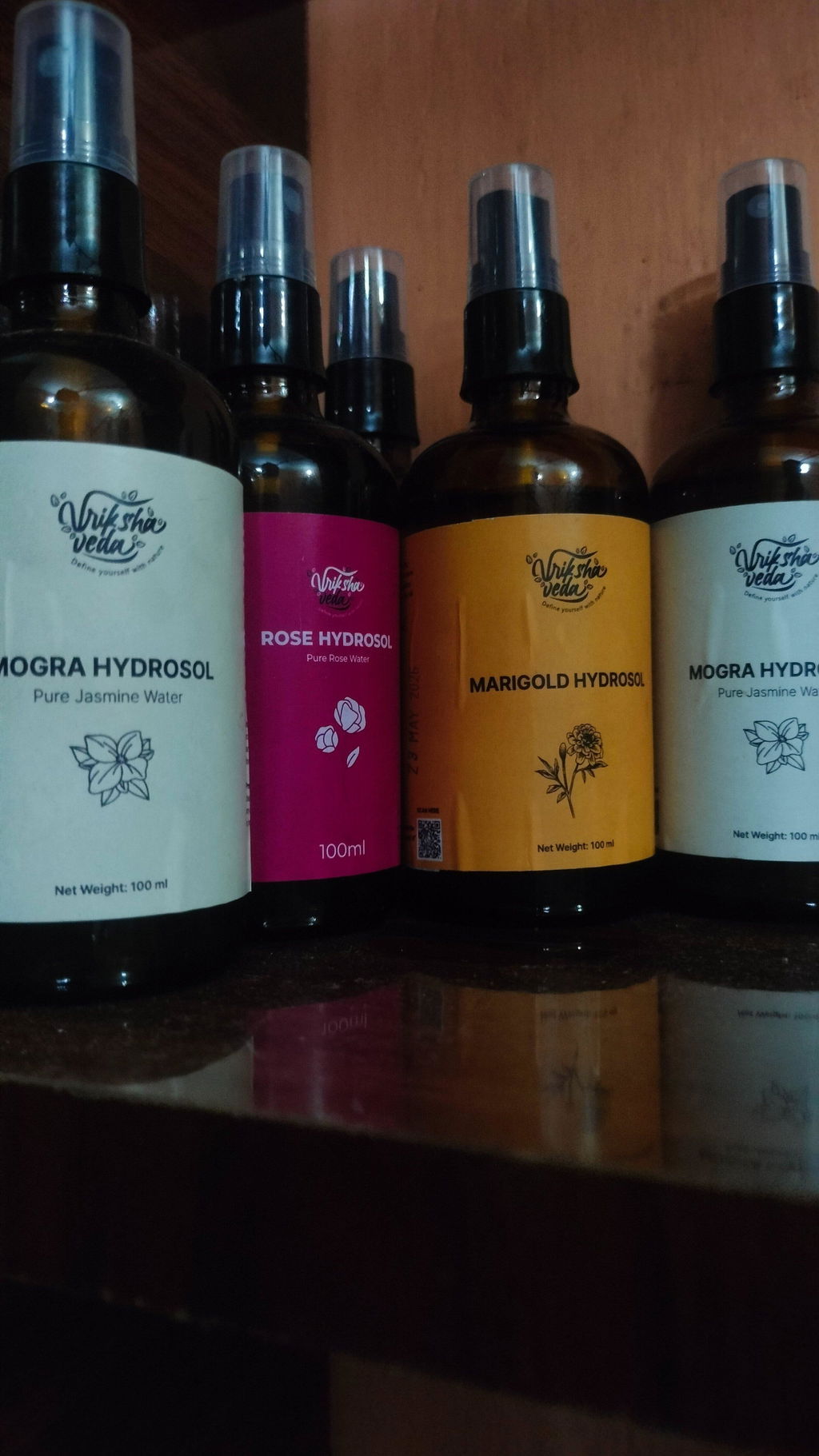
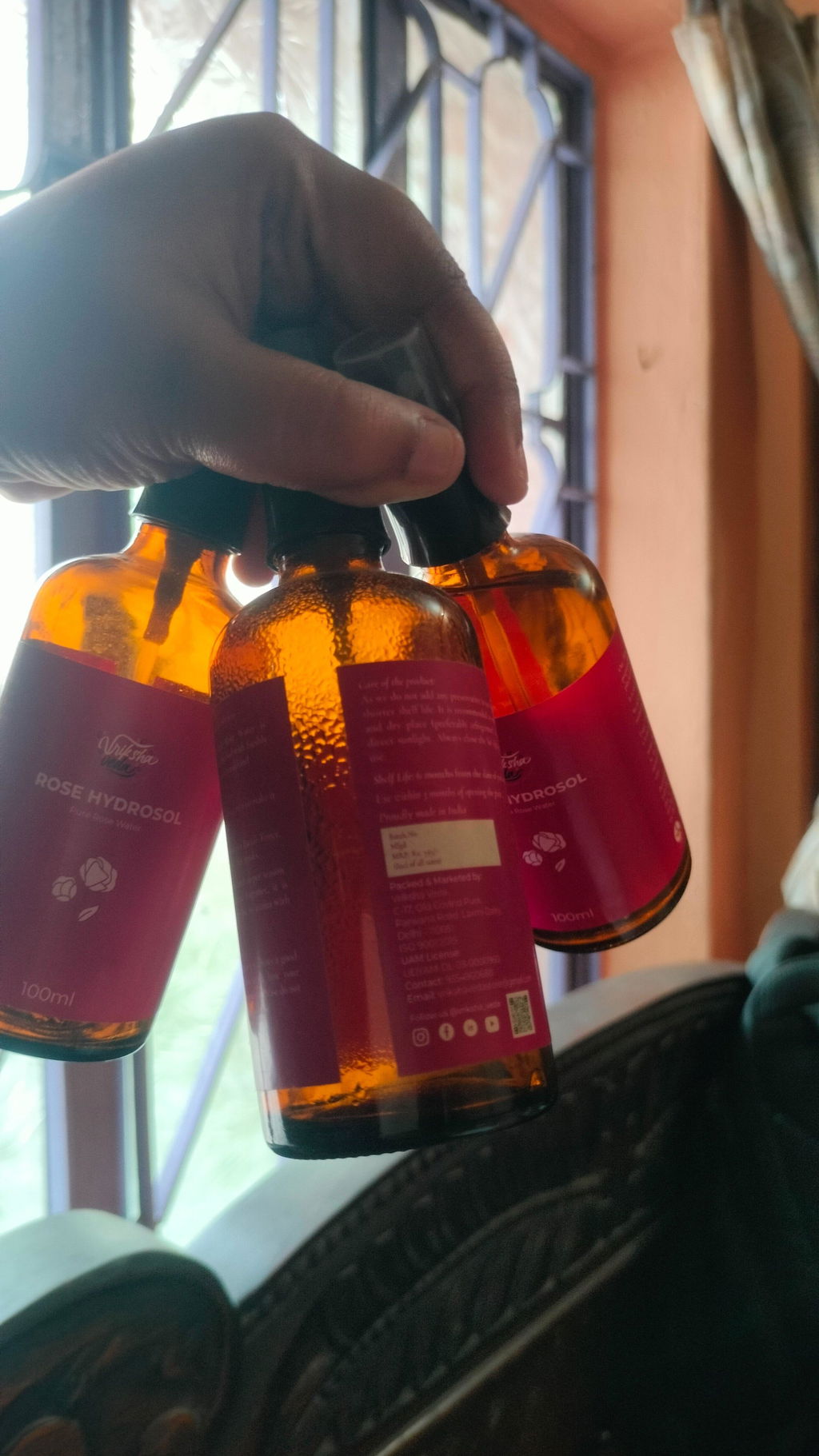
Rosemary Hydrosol
 Aloe Vera Gel


Natural Relief for Heat Rashes and Sun Irritations: Ayurvedic Remedies for Summer Skin
Summer can leave your skin hot, sweaty, itchy and uncomfortable. From prickly heat after hours in the sun to redness from sun exposure, warm weather can make it hard to feel comfortable in your own skin all day. Sweat, humidity and friction are the main triggers.
In Ayurveda, excess heat in the body is traditionally linked to Pitta dosha, which is associated with warmth, redness and irritation. Ayurvedic skincare focuses on cooling and soothing the skin with gentle, simple ingredients such as aloe vera gel, rose water and vetiver (khus).
In this guide, you will learn what causes heat rash and sun irritation, how to tell them apart, and which Ayurvedic remedies for heat rash can bring natural, cooling relief to summer skin.
Looking to buy? The cooling botanicals in this guide: Vetiver (Khus) Root Powder, Rose Hydrosol and Fragrance-Free Aloe Vera Gel.
Heat Rash and Summer Skin Irritation: The Key Causes
Heat rash, also called prickly heat or miliaria, happens when sweat gets trapped in blocked sweat ducts. It is most common in hot, humid weather, especially when you sweat more because of exercise, tight clothing or long hours outdoors.
Common symptoms of heat rash include:
- Small red or skin-coloured bumps
- A prickling or stinging sensation
- Tiny fluid-filled bumps in some cases
- Irritation around the neck, chest, back and skin folds
Sun irritation is different. Sunburn happens when UV radiation damages the skin, causing redness, tenderness, warmth and sometimes blistering.
Heat Rash vs. Sunburn: How Are They Different?
| Feature | Heat rash | Sunburn |
|---|---|---|
| Main cause | Blocked sweat ducts | Excessive UV exposure |
| Common symptoms | Prickling and itching | Redness, warmth and sometimes swelling |
| Common areas | Neck, chest, back, skin folds and covered areas | Sun-exposed areas |
| First step | Cool the skin and reduce sweating | Move out of the sun and cool the skin gently |
The Ayurvedic Perspective: Pitta and Summer Skin
According to Ayurveda, summer increases heat in the body and aggravates Pitta. That is why Ayurvedic summer skincare relies on herbs and botanicals that are traditionally considered cooling.
Popular cooling ingredients include rose water, aloe vera gel and vetiver. Used gently, they help the skin feel cooler and more comfortable.
3 Cooling Ayurvedic Remedies for Heat Rash and Sun Irritation
1. Vetiver (Khus) Root Powder Bath Paste
Vetiver, also known as khus, is a fragrant grass root that has been used for its cooling properties in Indian personal care for centuries. Mixed with water, the powder releases an earthy, refreshing aroma, which makes it a lovely addition to your summer bath routine. Learn more in our guide: What is Vetiver (Khus) Root Powder?
How to use it:
- Mix a spoonful of vetiver root powder with plain water or curd to make a smooth paste. Massage it gently over your body and rinse off with normal water.
- For a cooling face pack after sun exposure, mix it with curd and apply to your face and neck. Rinse after 10 minutes.
2. Pure Rose Water / Rose Hydrosol
Rose water is a traditional skincare staple that refreshes the skin with a delicate fragrance. A plain, pure rose water or rose hydrosol is an easy addition to your summer skincare routine, especially when your skin feels warm after being outdoors.
Keep it in the refrigerator for an instant cooling mist. Avoid products with added fragrance, which can irritate sensitive skin.
How to use it:
- Choose a pure rose water with no more than one or two ingredients.
- Avoid products with added colours or fragrances.
- If the label allows refrigeration, chill it before use for an extra-refreshing feel.
3. Aloe Vera Gel
Aloe vera gel is a plant-based gel known for calming and soothing irritated skin. Its water-rich texture gives a temporary cooling effect and relieves the tight feeling of sun-exposed skin. For a cooling DIY, try our aloe vera and cucumber face mask for summer skin.
How to use it:
- Choose a simple, fragrance-free aloe vera gel (how to use aloe vera gel).
- Apply a thin layer to a small area of unbroken skin first.
- Stop using it if you notice itching, burning or more redness.
Can You Spray Chilled Hydrosols Directly on Heat Rash?
A chilled hydrosol can feel refreshing, but it is not a treatment for an active heat rash. Keep it in the fridge for everyday cooling. For an active rash, a clean, cool, damp cloth is the best first step.
Shop Cooling Botanicals for Summer
- Vetiver (Khus) Root Powder – for a cooling bath paste or face pack.
- Rose Hydrosol – a pure, steam-distilled mist to refresh warm skin.
- Aloe Vera Gel (Fragrance-Free) – to soothe skin after mild sun exposure.
These are refreshing additions to everyday skincare, not a cure for heat rash, sunburn or any medical condition.
Conclusion
Heat rash and sun irritation are common in summer as temperatures rise. Chilled rose water or rose hydrosol can feel refreshing on unbroken skin, a vetiver bath paste helps you cool down, and aloe vera gel soothes mild discomfort. Cooling botanicals support your routine, but they do not replace proper care. You can find more Ayurvedic skin care home remedies on our blog.
If your skin is painful, blistered, looks infected or stays irritated, see a doctor.
Frequently Asked Questions
1. What are the best Ayurvedic remedies for heat rash?
Traditional cooling ingredients such as vetiver (khus), rose water and aloe vera are popular in Ayurvedic summer skincare. They help the skin feel cooler and more comfortable, but they are not proven cures for heat rash.
2. Can refrigerated rose water soothe prickly heat?
Chilled rose water can give a temporary cooling sensation on unbroken skin, but it does not clear blocked sweat ducts.
3. Is aloe vera gel good for heat rash and sun irritation?
A pure, fragrance-free aloe vera gel can help soothe the feeling of warmth and discomfort on unbroken skin, especially after mild sun exposure.
4. Can I spray a hydrosol directly on a heat rash?
A skin-safe hydrosol may feel refreshing, but a cool, damp compress is the simpler and safer first choice for an active rash.
5. How can I prevent prickly heat during summer?
Keep your skin cool and dry, wear loose, breathable clothing, change out of sweaty clothes quickly and avoid heavy products on affected areas.