Rosemary Hydrosol
 Aloe Vera Gel


How to Store Cold Pressed Oils and Herbal Powders: A Complete Guide to Preservative-Free Botanicals
Imagine buying a cold-pressed oil, using it for a few days and leaving it in the bathroom. When you open it weeks later, it smells like old crayons. Or you open a jar of herbal powder and find damp, clumpy lumps inside.
Many people who switch to pure, preservative-free products have seen this happen. These products are gentle and free of harsh chemicals, but they need a little extra care to stay fresh. This guide explains how to store cold pressed oils and herbal powders, how long they usually last, and how to spot the signs that something has gone off.
Looking to buy? Explore our cold-pressed botanical oils and raw herbs and botanical powders, packed fresh in small batches.
Why Are Pure Botanicals Sensitive?
Most shop-bought products contain preservatives. Their job is to slow the growth of microbes and the breakdown of ingredients. A pure, preservative-free oil or powder does not have that protection, so the way you store it matters a lot.
Four things affect your botanicals: light, heat, moisture and air.
Oils: Light, Heat and Air
Plant oils are made mostly of fatty acids, and some of them react easily with oxygen. This reaction is called oxidation, and it is what makes an oil turn rancid.
Light and heat speed up oxidation, so the oil ages faster. Air matters too: the more often the bottle is open and the more empty space there is inside it, the more oxygen reaches the oil. Cold-pressed, unrefined oils keep more of their natural plant compounds, which is why many people prefer them, and it is also why they need a little more care. If you are new to these oils, read what a botanical oil is and how it is used.
Powders: Moisture Is the Enemy
Dry herbal powders stay stable as long as they stay dry. Because they have no preservatives, even a little water can lead to mould and bacterial growth.
Moisture reaches powders in sneaky ways: a wet or damp spoon, damp fingers, humid air, shower steam, or opening the jar above a boiling pot.
Water-Based Products: Even More Delicate
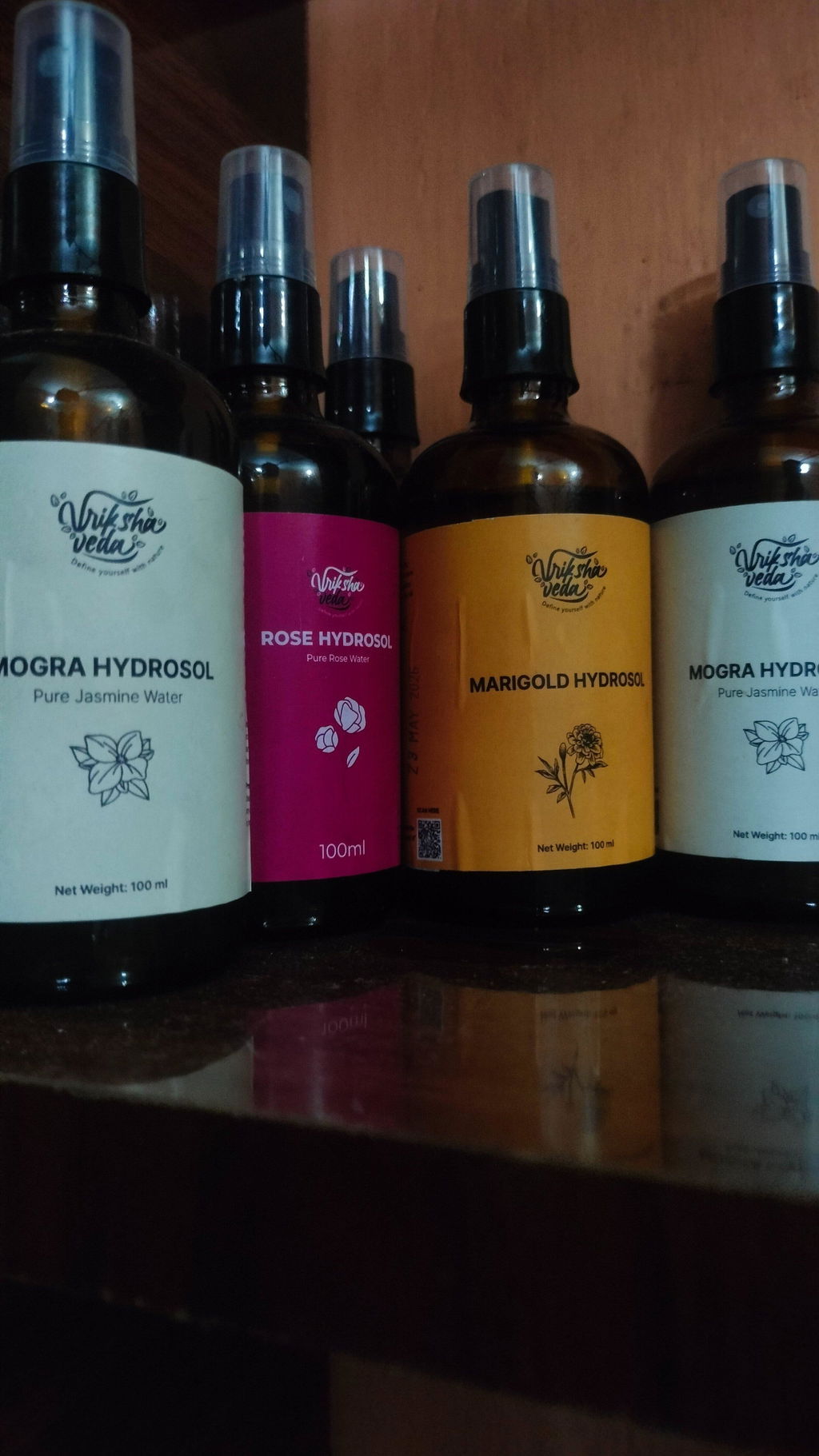
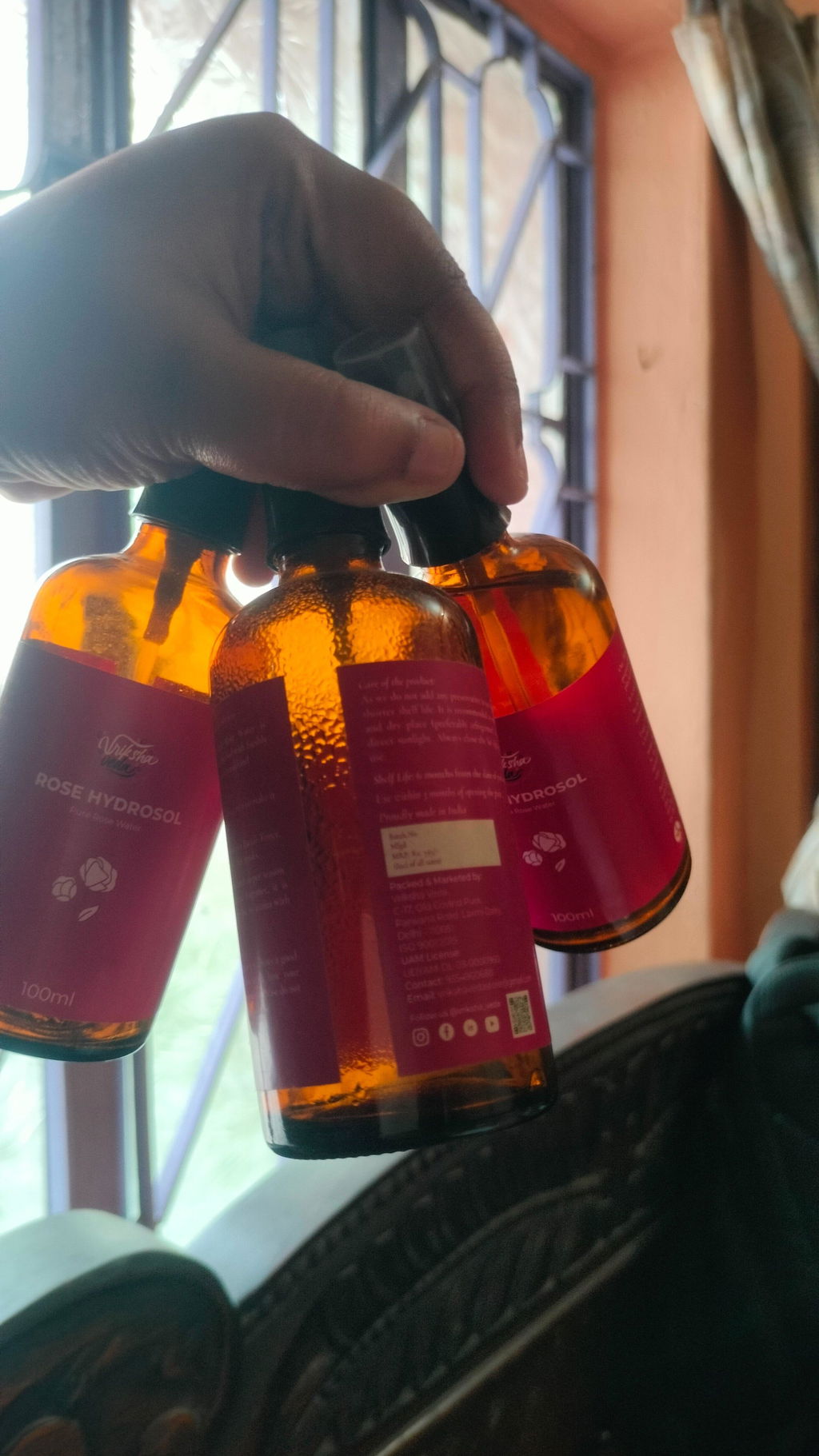
Water-based products such as rose water hydrosol spoil more easily than oils and powders. Keep the cap closed, avoid touching the nozzle, and use them up within the time given on the pack. Our guide to hydrosols, essential oils and plant gels explains how they differ.
How to Store Cold Pressed Oils and Herbal Powders Safely
1. Use the Right Container
For oils, choose amber or dark glass bottles. They block the light that triggers oxidation, and glass does not react with oil the way some plastics can. Keep the cap tightly closed after every use.
For powders, use a glass jar with a tight lid. A smaller jar is better than a large half-empty one, because less air and humidity sit inside it.
2. Keep Spoons and Fingers Dry
This is the most common mistake. One damp spoon in a powder jar lets moisture in and can spoil the whole jar. Always use a clean, dry spoon, never put your fingers into the jar, and close the lid straight after use.
For oils, avoid touching the dropper tip or the mouth of the bottle, and wipe the neck clean after pouring.
3. Choose a Cool, Dark, Dry Spot
The ideal spot is cool, dark and dry, with a steady temperature. A cupboard or drawer away from any heat source is usually perfect.
4. Mix Only What You Need
Scoop out only the amount of powder you need and mix it with rose water, milk or yoghurt just before use. Use the paste straight away instead of storing it for later.
Kitchen and Bathroom Storage Rules
| Place | Good for | Avoid |
|---|---|---|
| Kitchen cupboard or pantry | Powders in airtight jars, oils in dark bottles | Shelves right above the gas stove, kettle or microwave, where it gets hot and steamy |
| Bedroom drawer or wardrobe shelf | Both oils and powders, in a cool, dry room | Spots in direct sun or next to a heater |
| Bathroom cabinet | Small amounts of oil you use daily, if the bathroom stays fairly dry | Open shelves, the shower area, or anywhere near the geyser or hot tap |
One simple rule: never store botanical powders inside the shower area, even in a closed jar.
How Long Do They Last? Shelf-Life Expectations
Shelf life depends on how a product is processed and stored, so treat the numbers below as a general guide, not a guarantee. Count from the day you open the bottle or jar, and always check the date on the pack.
Cold-Pressed Oils
| Oil | Typical shelf life (stored well) | Notes |
|---|---|---|
| Jojoba | 2 years or more | A liquid wax, very stable |
| Coconut | 1 to 2 years | Very stable; turning solid in cool weather is normal |
| Castor | About 1 to 2 years | Stable, though it can thicken with age |
| Moringa | About 1 to 2 years | Rich in stable oleic acid |
| Argan | About 1 to 2 years | Keep tightly closed |
| Sweet almond | About 6 to 12 months | Store in a cool, dark place |
| Apricot kernel | About 6 to 12 months | Store in a cool, dark place |
| Sesame (unrefined) | About 6 to 12 months | Keep away from heat |
| Avocado | About 6 to 12 months | Rich in oleic acid, but still delicate |
| Rosehip | About 6 months | Best kept in the fridge after opening |
| Hemp seed | About 3 to 6 months | Best kept in the fridge after opening |
Herbal Powders
| Product | Typical shelf life (stored well) | Notes |
|---|---|---|
| Leaf and root powders (neem, amla, turmeric) | About 6 to 12 months for best potency | Scent and colour fade first |
| Flower powders (hibiscus, rose) | About 6 to 12 months | Colour fades faster in light |
| Clays (Multani Mitti) | Several years if kept dry | Clay itself does not spoil, but moisture and contamination can ruin it |
| Mixed ubtan powders (Amrit Lavana) | About 3 to 6 months | Based on the shortest-lived ingredient |
| Any powder, once mixed with water | Use immediately | Do not store |
Signs Your Oil or Powder Has Gone Off
- Oils: a sharp, bitter or stale smell, like old crayons or paint, is the clearest sign of rancidity. A sticky feel or a much darker colour can also be a sign.
- Powders: clumps, a musty smell, damp patches or any visible spots mean moisture has got in. When in doubt, throw it out.
- Water-based products: a cloudy look, floating bits or an unusual smell mean it is time to replace it.
Why Storing Well Matters to Us
Caring for your botanicals is also a way of caring for nature. A bottle of oil or a jar of powder that spoils before it is used up becomes waste. Storing it well costs nothing and is a small habit of conscious, low-waste living. If you make your own ubtan, our guide on how to make ubtan at home shows how to mix small, fresh batches.
Shop the Essentials
- Pure Jojoba Oil: one of the most stable oils, great for beginners
- Himalayan Rosehip Oil: a delicate oil, best kept in the fridge after opening
- Cold-Pressed Coconut Oil: very stable and easy to store
- Multani Mitti: lasts for years when kept completely dry
- Amrit Lavana Ubtan: mix only what you need for each use
Conclusion
Pure botanical powders and cold-pressed oils are free from preservatives, so a little extra care keeps them fresh for longer. Store them in a cool, dry, dark place, use clean and dry spoons, and mix only what you need. That way your oils and powders stay fresh, effective and lovely to use until the last drop.
Frequently Asked Questions
How do I store cold pressed oils?
Keep them in a tightly closed amber or dark glass bottle, in a cool, dark place away from heat, light and moisture. Delicate oils such as hemp seed and rosehip are best kept in the fridge after opening.
What is the shelf life of herbal powders for skincare?
Most herbal powders keep their best colour, scent and potency for about 6 to 12 months if stored airtight in a cool, dry place. Clays can last much longer if kept completely dry.
Can I store oils in the fridge?
Yes, especially delicate oils. Some may turn cloudy or thick in the cold, which is harmless. Let the oil come back to room temperature before use.
Can I keep botanical powders in the bathroom?
It is better not to. Steam and humidity can get into the jar. If you must, keep a small amount in a closed cabinet far from the shower, and never inside the shower area.
How do I know if my oil has gone rancid?
Smell it. A sharp, bitter or stale smell, similar to old crayons or paint, is the clearest sign. A sticky texture or a darker colour can also point to it.
Can I use a powder that has clumped?
Clumping means moisture has got in, and it may also mean mould is starting. Check the smell and look for spots. If in doubt, throw it away.
Can I make a big batch of ubtan paste and keep it?
No. Once a powder is mixed with water, milk or any other liquid, use it straight away. Store only the dry powder.